
The 5 Signs You're Dealing with a High-Conflict Person—Not Just a Difficult One
The 5 Signs You're Dealing with a High-Conflict Person—Not Just a Difficult One
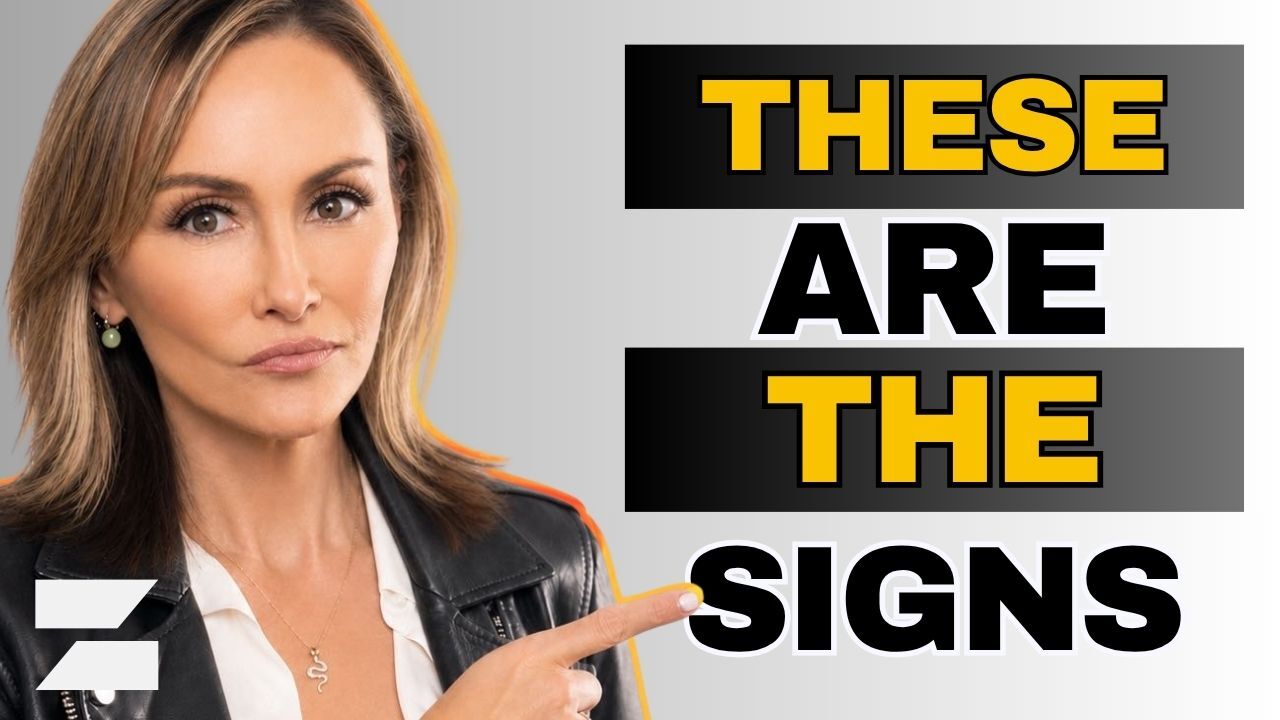
One of the biggest mistakes I see people make is assuming that every difficult person can be handled with patience, reason, and compromise. After more than 25 years as a trial attorney, I can tell you that there is a profound difference between dealing with someone who is simply difficult and someone who is truly high conflict. If you don't recognize that difference, you'll keep using strategies that make perfect sense with rational people but completely fail when you're facing a narcissist or another high-conflict personality. In fact, those strategies often make your situation even worse.
A difficult person may be stubborn, defensive, or slow to cooperate, but they are still operating from a place where reason, evidence, and fair outcomes matter. Eventually, they will respond to mounting legal fees, compelling evidence, or a reasonable compromise. A high-conflict person is motivated by something entirely different. Their goal is not resolution. Their goal is control. They want to dominate the interaction, punish you, create chaos, and protect their ego at all costs. Once you understand this distinction, everything about your approach begins to change.
The first sign that you're dealing with a high-conflict personality is that the goalposts constantly move. With a reasonable opponent, you can identify what they want and negotiate toward a solution. With a high-conflict person, every time you meet one demand, another one appears. Agreements suddenly become unacceptable. Promises disappear. New accusations replace old ones. You begin to realize that there is no finish line because conflict itself is the objective. If you've been making good-faith concessions only to watch the demands continue to escalate, you're probably not negotiating anymore. You're participating in a cycle that was designed to keep you off balance.
The second sign is a constant stream of unrelated accusations. High-conflict people rarely stay focused on the actual issue. Instead of discussing the custody schedule, the business dispute, or the financial disagreement, they begin attacking your character, your tone of voice, your motives, or even events that have nothing to do with the matter at hand. Every conversation becomes a maze of distractions that forces you into defense mode. Before you know it, you're spending all of your energy disproving fabricated claims instead of addressing the real problem. This tactic isn't accidental. It's designed to exhaust you emotionally while preventing any meaningful resolution.
The third sign is the recruitment of third parties. This is one of the most common narcissistic manipulation tactics I see in high-conflict litigation. Rather than dealing with you directly, they recruit what many people refer to as "flying monkeys." Family members, friends, coworkers, neighbors, therapists, attorneys, and sometimes even children become part of the conflict. They spread misinformation, build smear campaigns, and attempt to isolate you socially and emotionally. Their objective is to shape the narrative long before anyone ever hears your side of the story. When multiple people suddenly seem to be repeating the same distorted version of events, you're often witnessing a coordinated strategy rather than a coincidence.
The fourth sign is something I actually consider a gift, even though it may not feel that way in the moment. High-conflict people are remarkably inconsistent. Their stories change constantly. What they tell one person rarely matches what they tell another. Their emails contradict their court filings. Their text messages conflict with sworn testimony. Their public statements don't align with their private admissions. While this inconsistency can feel maddening, it eventually becomes one of your greatest sources of leverage. Patterns of contradiction are incredibly difficult to hide, especially when they are carefully documented over time. Every inconsistency strengthens your credibility while weakening theirs.
If you’re looking for a smarter, more supportive way to take care of your health and well-being, https://forhers.com/leverage offers a modern approach designed specifically for women. From personalized care to convenient access and solutions that fit your lifestyle, Hers makes it easier to prioritize yourself without the stress or guesswork. Whether you’re focusing on confidence, wellness, or feeling like your best self again, this platform gives you the tools and support to take that next step—on your terms.
The fifth and perhaps most revealing sign is that every attempt you make to de-escalate only creates more conflict. You offer a compromise and they respond with outrage. You accommodate their request and they introduce a new demand. You send a calm, respectful email and receive an aggressive response in return. High-conflict personalities interpret kindness as weakness. Every effort to restore peace becomes another opportunity for them to increase pressure and maintain control. When de-escalation consistently produces escalation, you can be confident that you're not dealing with someone who simply has poor communication skills. You're dealing with someone whose emotional needs depend on keeping the conflict alive.
Once you recognize these five patterns, you stop asking yourself why your reasonable strategies aren't working. The answer is simple: you're playing the wrong game. High-conflict people require a completely different approach. Instead of trying harder to explain yourself, convince them, or appeal to their sense of fairness, you begin focusing on leverage. You stop chasing understanding and start building undeniable evidence. You stop reacting emotionally and start documenting strategically. Most importantly, you stop expecting them to think like reasonable people because they don't.
Ready to Start Building Leverage?
If you're dealing with a narcissist, high-conflict divorce, custody battle, or ongoing legal dispute, you need a system that helps you organize patterns, contradictions, timelines, and evidence.
Try SLAY AI Pro Free for 7 Daystoday at https://slaypro.ai and begin transforming your documentation into leverage.
That's why I always tell my clients that leverage changes everything. When you understand what truly motivates a narcissist or high-conflict personality, you stop wasting energy trying to fix someone who has no interest in resolution. Instead, you position yourself strategically, protect your credibility, strengthen your documentation, and create the kind of leverage that actually produces results.
If you recognize three or more of these five signs in your own situation, you're almost certainly dealing with a high-conflict personality rather than someone who is simply difficult. And once you understand that, you can finally stop using the wrong playbook. You can begin approaching your case, your negotiation, or your relationship with clarity, confidence, and strategy instead of frustration. Remember what I always say: leverage plus clarity equals freedom.
— Rebecca Zung
The Leverage Lawyer




